January 28th, 2022
Throughout the history of pop culture, one would have a difficult time finding a better representation of a cultural influence other than movie posters. While posters, in general, are created as marketing ploys to obtain a larger profit, they have always held a particular essence in the cultural sphere. Movie posters, similar to music, or even the movies that they represent, offer a unique glimpse into the art of the medium. Yes, the poster and the artist tease the audience into building the desire to see the film. However, when done correctly, the poster can heighten the artistic nature and become iconic. Star Wars, Back to the Future, and Jaws are all films that are represented by posters that can be found on thousands of walls across the globe.
When it comes to modern movie posters, the use of photo editing and photo manipulation has overcome the marketing industry. The focus has shifted from highlighting an artistic rendition and symbolic nature, to a more photorealistic interpretation and combination of visual images and characters that often become messy and convoluted.
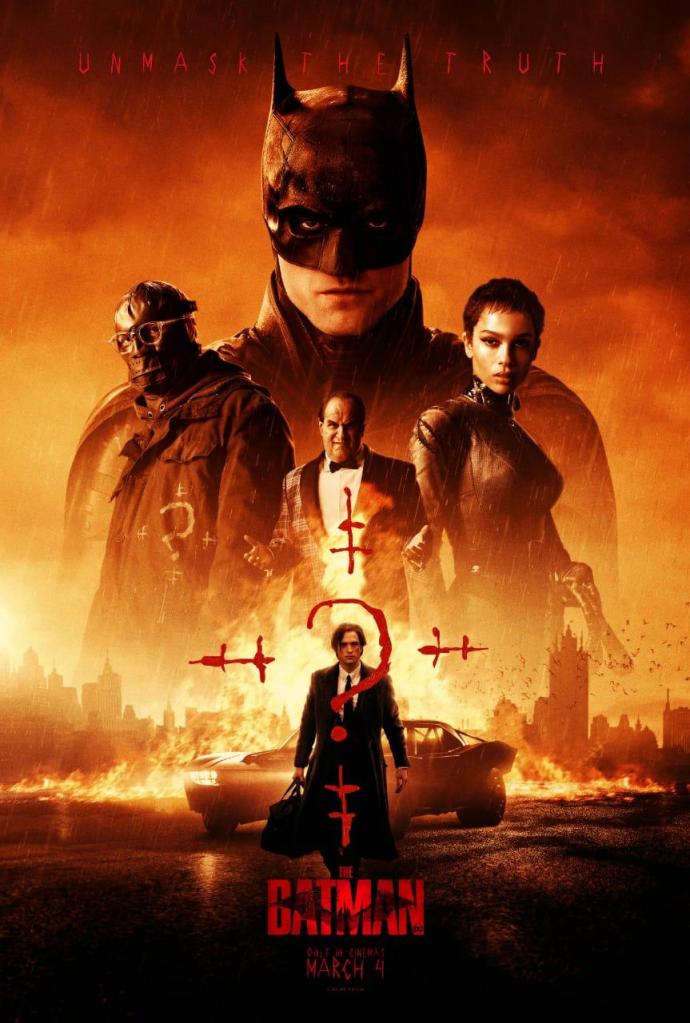
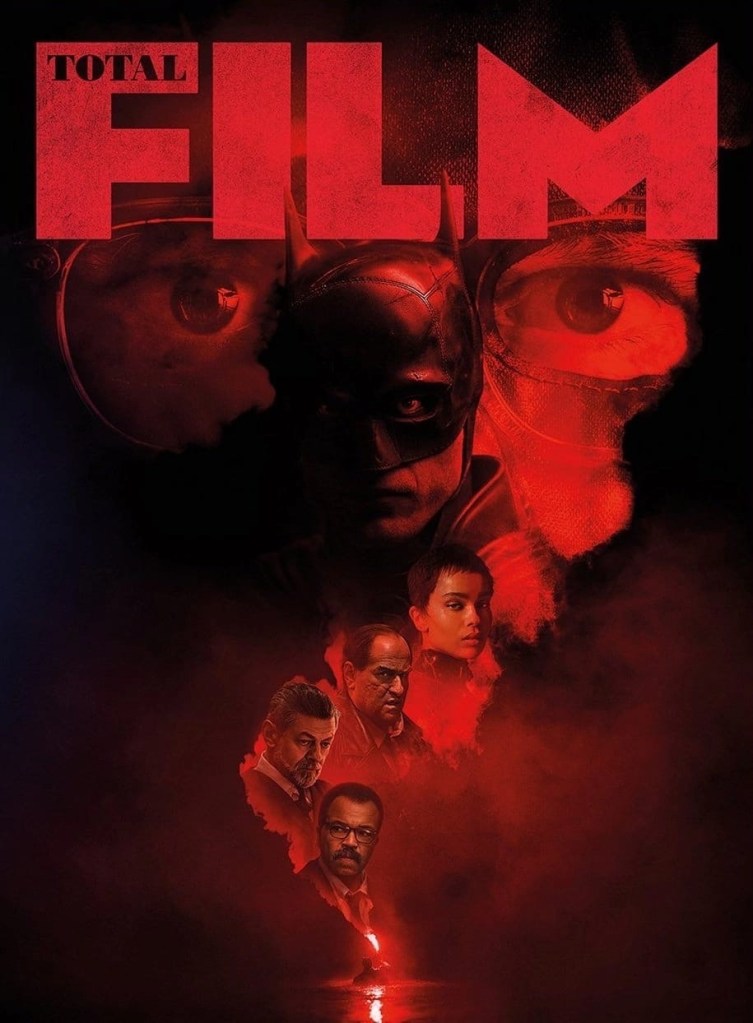
The poster shown above on the left is the recent official poster for the upcoming blockbuster, The Batman, where cutouts of the characters The Riddler, Batman, Penguin, and Catwoman (left to right) are layered on top of one another in a hierarchy fashion. Below the representative characters is more imagery from the film that acts as a base layer for the film’s typography and an official logo. On the right of the poster previously mentioned is another new poster for The Batman from Total Film, where they recently revealed new images of the film in a new marketing push leading up to the release on March 4th, 2022. In this rendition, the poster includes symbolism, layers of dramatic imagery, and introduces a heavy and dramatic black and red color scheme and tone. While this poster is not labeled as official and served a unique purpose for this specific magazine, the dichotomy between the two works represents how a dull modern approach to static marketing can easily be overshadowed by a dynamic, interesting, and unique approach to a film’s character.
 Jeff Converse