November 11th, 2022
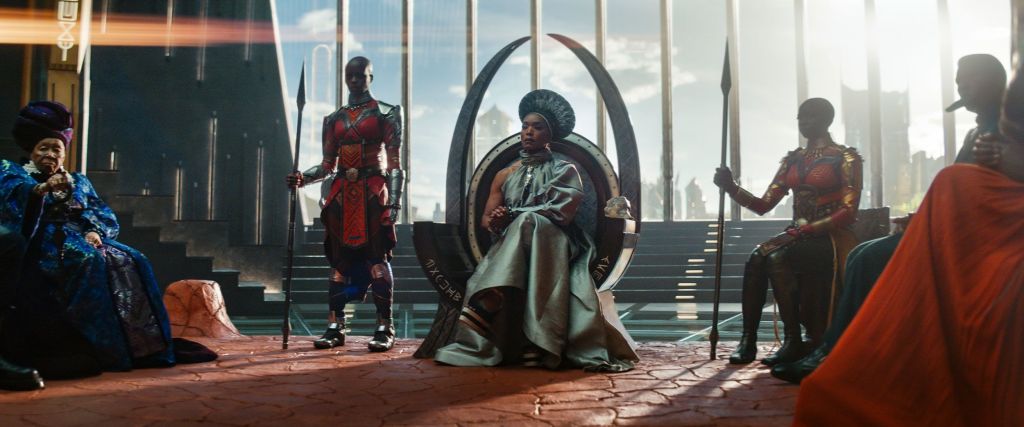
There are often times when a piece of entertainment material becomes a cultural event. Whether this is a musical celebration, art exhibition, or even film, these events transcend their medium and reach unspeakable societal outreach and impact. This is usually, but not always, witnessed with the theatrical release of a film. These heights are often reached with the film utilizing new technology, telling an important nonfiction story, or even including recent societal ramifications in the narrative itself. The Marvel Studios’ new blockbuster Black Panther: Wakanda Forever is the most recent example of how a blockbuster movie can instantly become a celebrated cultural event. Of course, it’s hard to ignore the record-setting 700 million dollar box office it has accumulated globally at the time of this post. However, it is the approach, dedication, and celebration of a recognizable character and revolutionary personality, Chadwick Boseman, that pushed this work to a cultural phenomenon.
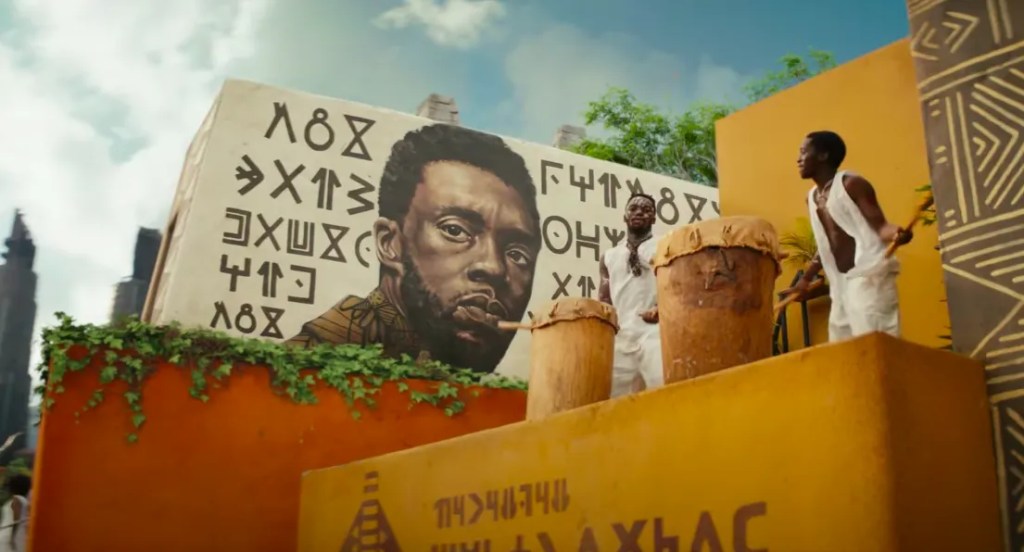
Boseman’s young film career consisted of iconic roles such as Jackie Robinson, James Brown, and of course T’Challa, otherwise known as The Black Panther. Boseman starred in the Marvel Studios’ best picture nominated film in 2017 and further appeared in other ensemble pieces such as Captain America: Civil War, Avengers Infinity War, and Endgame. It was felt with extreme grief and devastation when Boseman’s death and strenuous battle with colon cancer was reported on August 28th, 2020. Commonly, a public figure’s death is a culture shock and a point of contention in discourse. However, it was both Boseman’s impact, influence, and catalyst on African American culture that propelled its significance. Of course, Boseman’s unknown diagnosis and surprising death contributed to the shock. However, it was his portrayal of The Black Panther that supplied a minority culture with a hero that bled passion, power, resilience, and hope.
Nonetheless, the second installment in the Black Panther franchise was left without its foundational character or performer. It was a point of debate whether director Ryan Coogler and Marvel Studios producer Kevin Fiege would recast the role of T’Challa to keep the character a pivotal cornerstone of their franchise. Ultimately, the studio believed that the Black Panther character was synonymous with Chadwick Boseman and that recasting the role would ultimately be both morally wrong and deemed disrespectful by both audiences and critics.
On November 11th, 2022 Black Panther: Wakanda Forever hit over 4,000 theaters and brought in a November opening weekend record of 181 million domestically. As a strong fan of not only film but genre movies in general, experiencing this event’s opening night was exceptionally special. The opening credits served as a moment of silence for Boseman while the first act primarily highlighted a funeral for the character of T’Challa but also in remembrance of Boseman. The plot appropriately explained the death of the character but also managed to create a thrilling plot around the ramifications of a country losing a beloved leader. While the movie itself was a worthy installment to the wider Marvel Cinematic Universe, it was Ryan Coogler’s ability to overcome the daunting task of creating a quality film, while simultaneously paying homage to Boseman and progressing the story forward that supplanted this piece of art into cultural significance.

